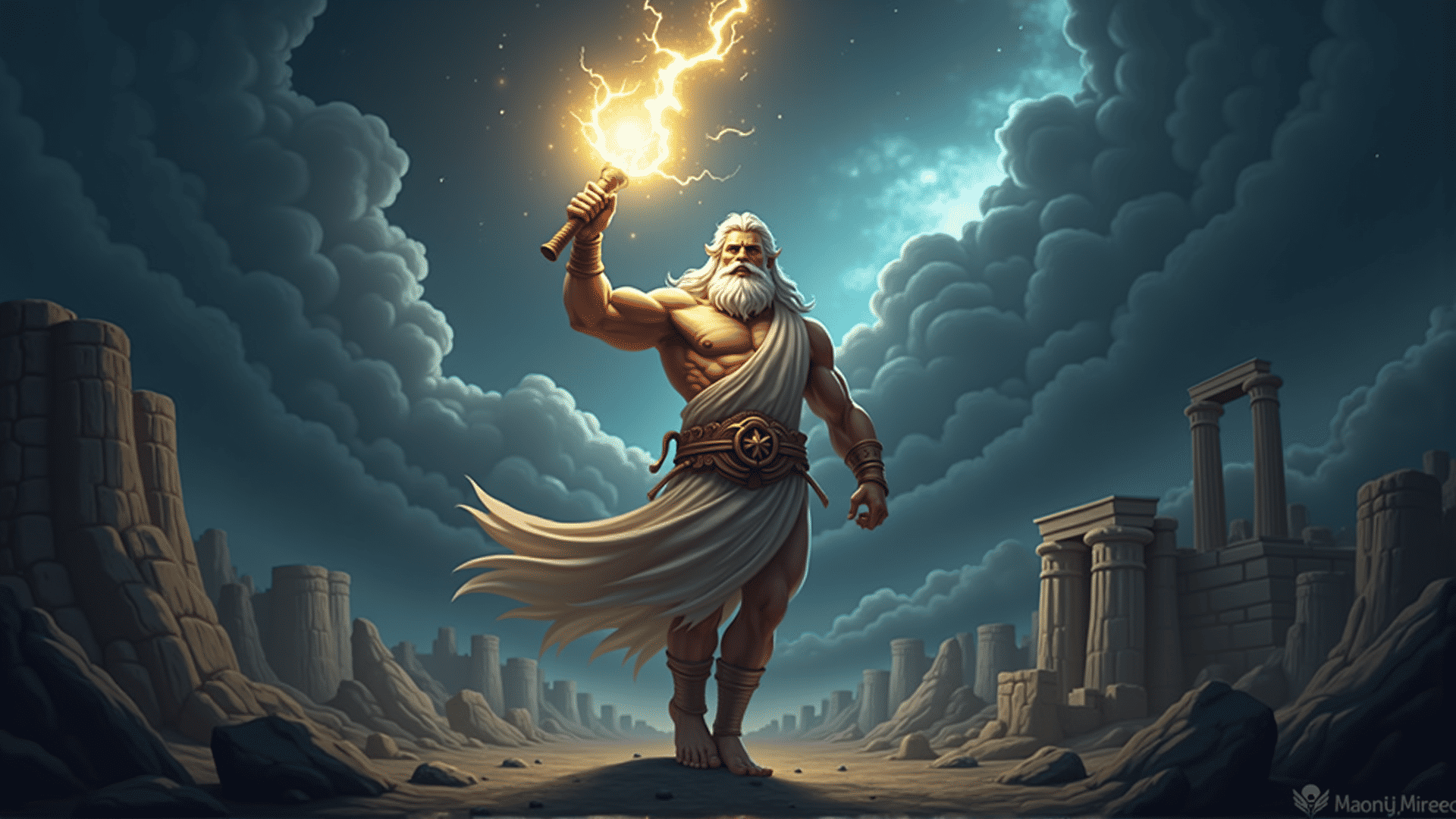
In the dynamic world of gaming, where innovation constantly pushes boundaries, developers are turning to the rich tapestry of mythology to craft immersive narratives and captivating gameplay. Mythological themes, with their timeless allure and evocative tales, have surged in popularity, breathing new life into interactive storytelling and providing players with both epic adventures and profound connections to ancient stories.
One of the major appeals of integrating mythological themes into games is their ability to deliver storytelling with inherent depth. Myths are narratives that have withstood the test of time, offering universal themes of heroism, sacrifice, love, and betrayal that are as relevant today as they were in antiquity. By weaving these timeless elements into gameplay, developers create stories that resonate on a deeper emotional level, engaging players with familiar yet ever-evolving plots.
A testament to the popularity of mythological themes is the phenomenal success of games like "God of War." This series revitalized Norse mythology, giving players the opportunity to engage directly with gods and creatures of legend. The game's protagonist, Kratos, alongside his son Atreus, navigates a world teeming with mythological wonders and challenges, drawing players into a narrative enriched with cultural lore and dramatic conflicts.
Similarly, the "Assassin’s Creed" series has skillfully incorporated mythology into its historical narratives. Titles like "Assassin’s Creed: Odyssey" plunge players into ancient Greece, allowing them to interact with Greek gods and legendary creatures like the Minotaur and Medusa. By doing so, these games not only provide entertainment but also educate players about different mythologies and cultures, making the learning process both engaging and interactive.
Moreover, indie games have also embraced mythology, transforming lesser-known myths into compelling story arcs. Titles such as "Hades" have gained acclaim for their innovative storytelling and rich character development. "Hades" is not only a frenetic dungeon crawler but also a narrative exploration of Greek mythology from a fresh perspective, with players assuming the role of Zagreus, the rebellious son of Hades.
The infusion of mythological themes has led to the creation of richly detailed worlds that stimulate the imagination and transport players to realms beyond modernity. Developers employ meticulous research to ensure cultural accuracy and authenticity, often consulting historians and cultural experts to bring these mythological worlds to life with respect and depth.
Additionally, the visual and auditory experiences provided by mythological games enhance immersion, with art styles and soundtracks that echo the aesthetic and emotional tones of ancient myths. The enchanting scores and striking visuals draw players even further into these fantastical universes, where the landscape itself feels like a character, whispering tales from a forgotten era.
Furthermore, the interactive nature of video games allows players to explore and personalize their journeys through these mythological settings. Unlike passive forms of storytelling such as films or books, games grant players agency, enabling them to make choices that influence the narrative's outcome. This personal investment in the story elevates players' engagement, as their decisions can lead to varying conclusions and the unfolding of side stories steeped in myth.
In conclusion, the rise of mythological themes in gaming represents a harmonious marriage of age-old tales and cutting-edge technology. By tapping into the rich reservoir of myths, game developers create captivating storylines that resonate with players on multiple levels—emotionally, intellectually, and even spiritually. As this trend continues to grow, it promises to unlock new dimensions of storytelling, providing gamers with unforgettable adventures through ancient skies, seas, and lands filled with legendary magic and heroism.